
News
Fresh studies, training methods and fitness tech — distilled for athletes who want to know what actually works.
News
ChatGPT as a Technique Coach: What a Study on AI Feedback in Sport Shows
ChatGPT feedback improves sports technique measurably faster than feedback from a training partner – that is the finding of a randomised study from March 2026. What sounds like a university context at first glance is full of transferable ideas for anyone who wants to try ChatGPT technique-feedback training for themselves. At a glance: a study (n=56, randomised) shows that structured ChatGPT feedback improves sports technique significantly more […]
Updated · by Christopher Klenk
News
AI Training Plans and Expert Review: Why Three Experts Barely Agreed
Ever asked AI for a training plan? A new study had three experts rate Gemini plans for complex patient cases, and the three barely agreed. I looked at why, and at what carries over to healthy athletes.
Updated · by Christopher Klenk
News
This system learns from training data and tests strategies in a simulation first
You check your watch in the morning, see a low HRV and wonder: easy day or push through? A new study from China goes one level up. A system learns by trial and error to choose, week by week, between more intensity, more volume and active recovery. So far only in a simulation.
Updated · by Christopher Klenk
News
Study Check: No AI Chatbot, Just Tests and Machine Learning for Your Training Plan
Many people train what they are good at, not where they are weakest. Chinese researchers have presented a machine learning model in Scientific Reports that derives a training plan from four fitness tests. With real data and a randomised trial, but also with gaps you should know about.
Updated · by Christopher Klenk
News
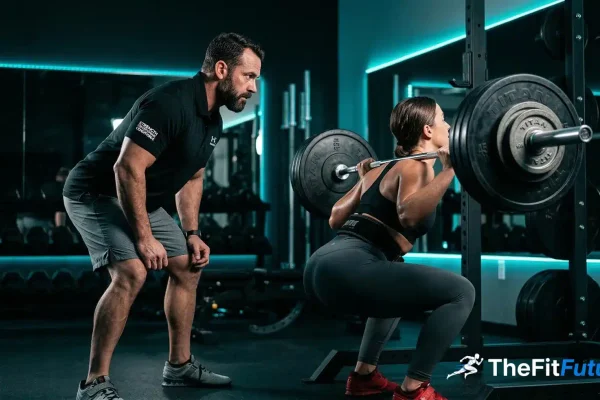
Coaches detect velocity loss without a device – what a new Bar Strategy study shows
Coaches who watch the barbell instead of the athlete detect velocity loss in strength training far more accurately – and it can be trained. A new study shows: after a short intervention, the error drops to an average of 1.5 reps. That's good enough to apply VBT principles meaningfully even without a sensor.
· by Christopher Klenk
News
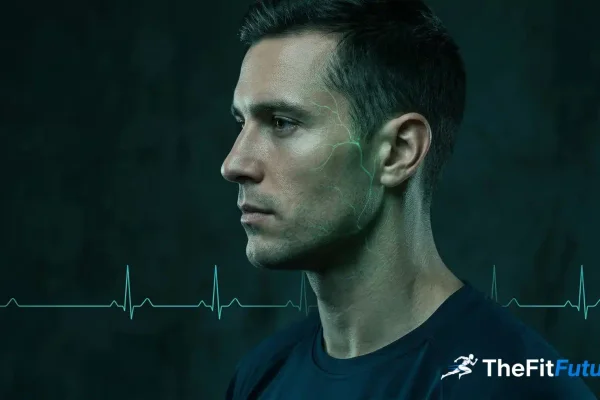
AI measures heart rate from face video: far more robust while walking
Researchers have built an AI model that reads your pulse from a face video and stays much more stable while walking than earlier models. I took a close look at the study: what HBP-Net can do, what was not tested, and whether it will ever reach your training.
Updated · by Christopher Klenk
News
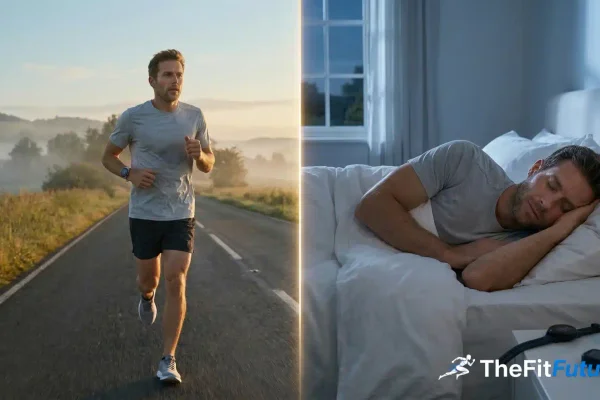
More training, worse sleep, even more training – what 224 Garmin runners reveal
High training volume worsens sleep quality – and too little sleep slows down the next session. That is what a year-long study of 224 Chinese Garmin runners shows. The finding is plausible and well supported. The caveat: Garmin is not the most accurate wearable on the market when it comes to sleep stage detection – and that hits the core of the study.
· by Christopher Klenk
News
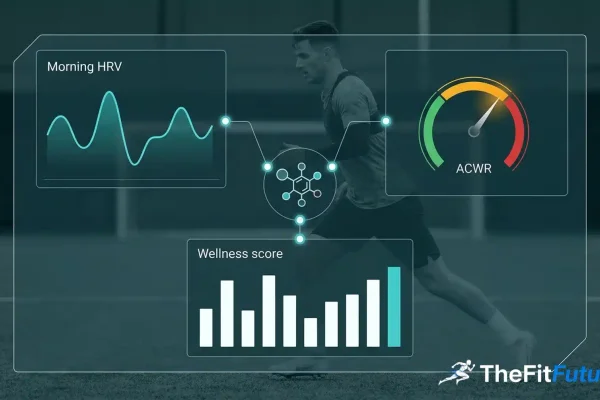
Study: wellness questionnaire, load ratio and HRV detect fatigue in football
Trying to detect fatigue from a single metric misses more often than you would think. A study from China followed 48 university soccer players for twelve weeks with GPS, heart rate and a daily questionnaire, and trained a model that detects fatigue with an AUC of 0.895.
Updated · by Christopher Klenk
News
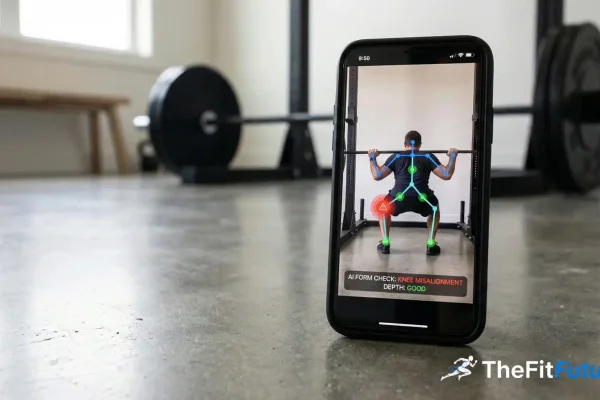
Study: smartphone AI spots form errors, beginners stuck with it for 16 weeks
If you train alone, you know the problem: you can't see yourself. Is your back rounding on the deadlift? Are your knees caving in on the squat? Without a mirror, training partner or coach, you're training blind and may groove in errors. A South Korean research team looked at whether a smartphone app with AI movement recognition can help.
Updated · by Christopher Klenk
News
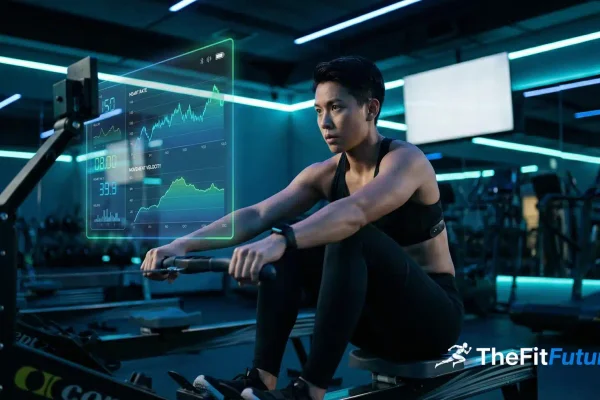
188 studies, one verdict: Good data – but no AI coach
A Spanish research team has reviewed the current state of wearable biosensors and machine learning systems in sports training in a comprehensive overview – 188 studies from 16 years of research. The conclusion is sober: the technology delivers usable data and ML models can support training adjustments – but autonomous coaching? We are a long way from that. TL;DR A new review study (188 studies, […]
Updated · by Christopher Klenk
News
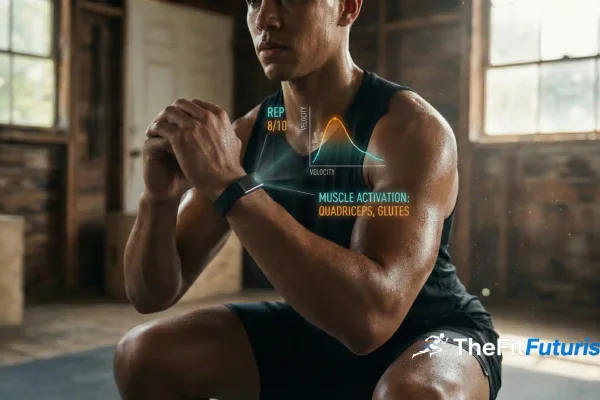
Fort Wearable: Automatic Strength Training Tracking Incl. VBT Data – What's Behind It?
A new wearable aims to track strength training as precisely as Garmin tracks running. Fort, developed by three former Tesla engineers and part of the Y Combinator W26 batch, automatically recognises more than 50 exercises, counts reps, tracks rest times and delivers muscle-specific breakdowns – without manual logging. Sounds like the wearable lifters have been waiting for. But between marketing promises and reality there's often a whole set of reps.
Updated · by Christopher Klenk
News
Study tests AI marathon training plans — but how good was the test itself?
A new study in the British Medical Bulletin looked at whether current AI models can generate usable marathon training plans. The researchers had Claude, ChatGPT, Gemini and DeepSeek each build a six-month plan for three performance levels. The result: broadly solid plans with familiar weaknesses. Things get interesting when you look at what the abstract reveals about the methodology — and […]
Updated · by Christopher Klenk