Artificial Intelligence in Fitness: What Exists — and What Actually Works
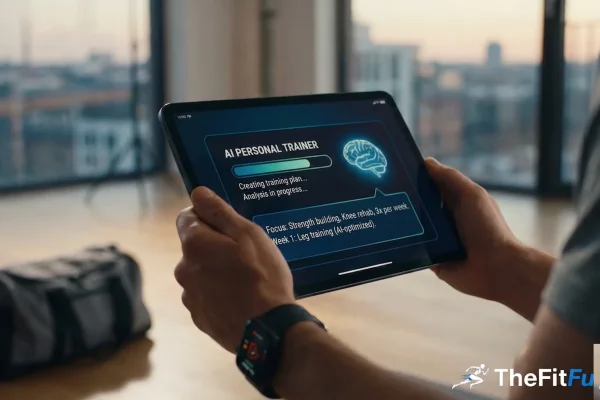
LLMs, fitness apps, data analysis, automation — AI in fitness has many faces. What works, what's just marketing. An honest assessment.
Make training better — with new methods, smart tools and AI analysis. Critically reviewed, made practical. Not everything new is better. But some of it is.
"I test AI tools and fitness tech so you don't have to. And if you do — I'll show you how to do it better than any app. Plus: the latest from exercise science, made practical."
The most-read articles on AI, wearables and modern training methods – for athletes who want to train better.

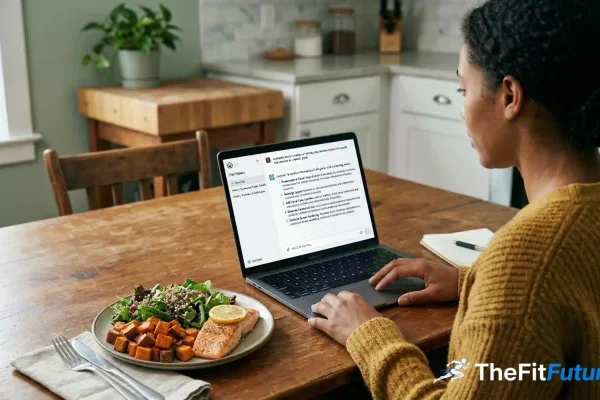
LLMs, fitness apps, data analysis, automation — AI in fitness has many faces. What works, what's just marketing. An honest assessment.

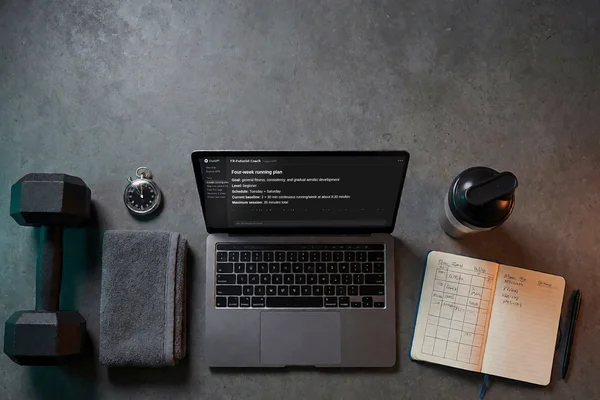
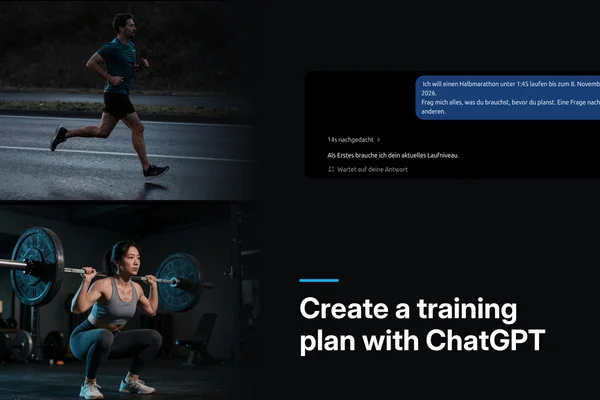
Want to build your AI training plan yourself? Here's how to do it right – with prompts, platform features and common pitfalls. For ChatGPT, Claude and Gemini.

Want to build your own AI nutrition plan? Here's how to do it right - with prompts, platform features and common mistakes. For ChatGPT, Claude and Gemini.
New articles, tutorials and study breakdowns — when something worth reading is published.
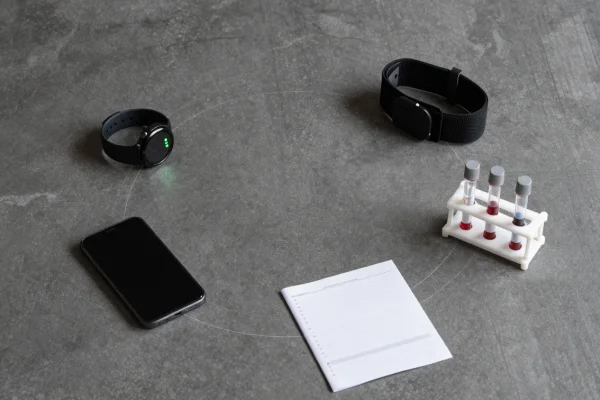
The latest research and developments in training, wearables and fitness tech – put into context for everyday training.

The Garmin running trends 2026 read like a study of all runners, and one number sticks: an average VO2max of 50, plus an average pace of 5:49 min/km for men. If you wear a Garmin yourself and have 44 on the display right now, or run at 6:30, you read that and think: left behind. That exact feeling is what I take apart here.

A new study shows: AI chatbots are being used in fitness — but trust only forms when they're relevant to your training. What this means for athletes.

Chinese researchers built a resistance band with a fiber velocimeter inside — real-time VBT feedback for a training tool that has never had a measurement layer. What the 2026 study shows, and what it would mean for strength training and rehab.