
News
Fresh studies, training methods and fitness tech — distilled for athletes who want to know what actually works.

News
Is There a Readiness Score? Yes, Fourteen of Them
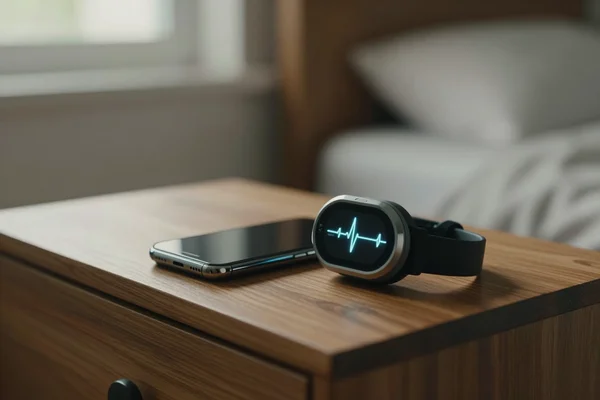
Your ring reports 34 out of 100, your watch says you are recovered. Both measured the same body on the same night. Which number is right, nobody can tell you, because no manufacturer discloses how it calculates.
Updated · by Christopher Klenk
News
HRV Apps: What a Study of 206 Apps Really Reveals
An HRV app measures your heart rate variability and turns it into a single number for your recovery. Sounds simple. It isn't. A recent study went through 206 of these apps, and the result is sobering: many hand you a value without ever revealing how it came about.
Updated · by Christopher Klenk
News
ACSM Strength Training Guidelines 2026: What Changed After 17 Years
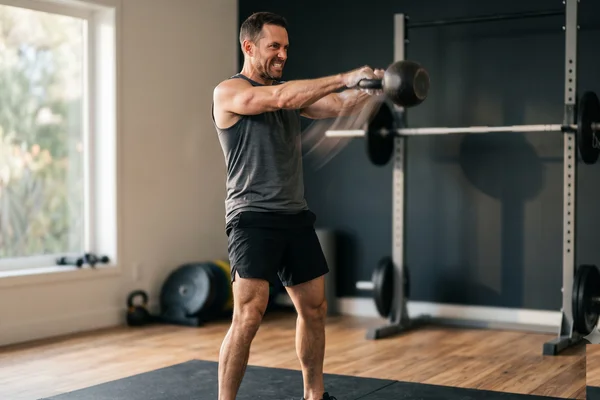
The ACSM rewrote its strength training guidelines for the first time since 2009, and a few points jumped out at me as a coach. What actually matters, what is ballast, where it fails advanced lifters, and why power after 40 is the point almost nobody has on their radar.
Updated · by Christopher Klenk
News
Sweat Biomarkers in Smart Textiles: Lab Values Without Blood?
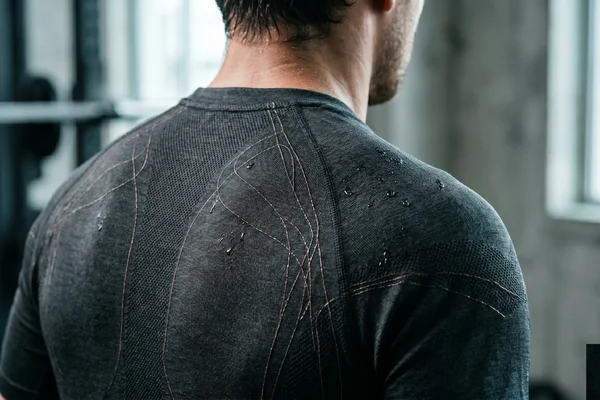
A smart textile measures lactate, electrolytes and more straight from your sweat, no prick required. What the study can really do, where its limits are, and what self-coaching athletes get from it today.
Updated · by Christopher Klenk
News
Strength Training Without a Max Test: Three Ways to Set Your Load
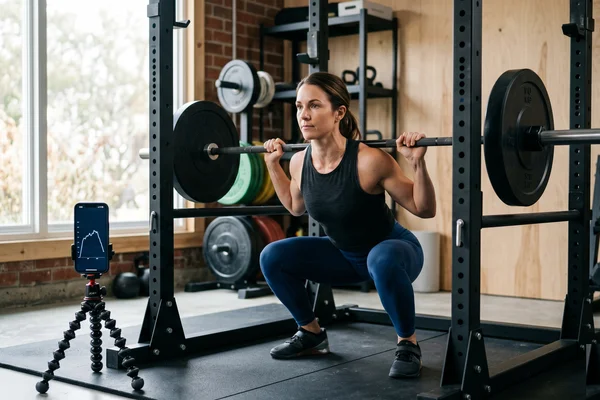
A new study compares three ways to set training load: fixed percentage, reps in reserve, and barbell velocity. The real takeaway for self-coached lifters: two of them skip the risky 1RM max test — and work just as well. Here's how to apply it.
· by Christopher Klenk
News
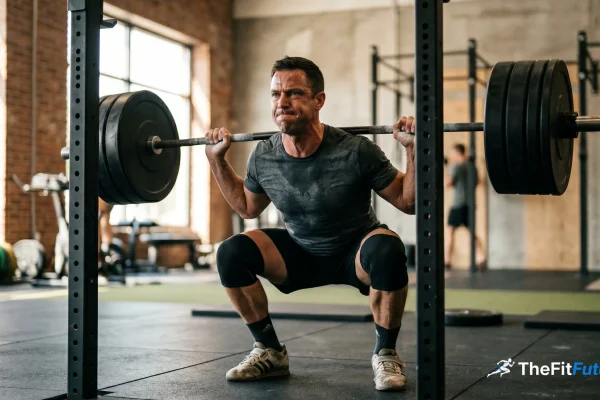
90 Minutes of Strength Training for a Longer Life? What the Study Shows
90 to 120 minutes of strength training a week — that's supposed to be the sweet spot for a longer life, according to a new 30-year study. An easy number to grab onto. That's exactly the problem.
· by Christopher Klenk
News
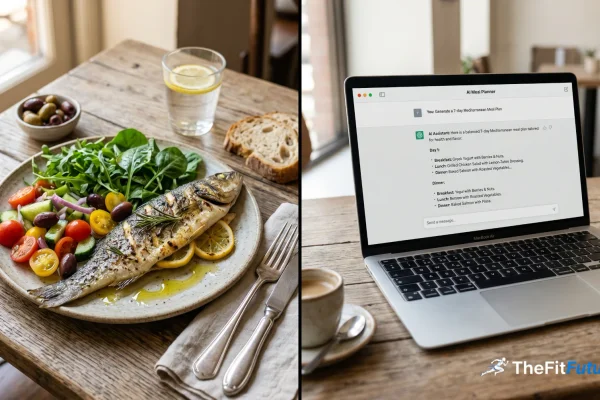
ChatGPT vs. Dietitian: What the New Study Reveals
ChatGPT will build you a meal plan on demand — but as well as a trained dietitian? A new study in the Journal of Nutrition tested exactly that. The result is awkward for both sides.
· by Christopher Klenk
News
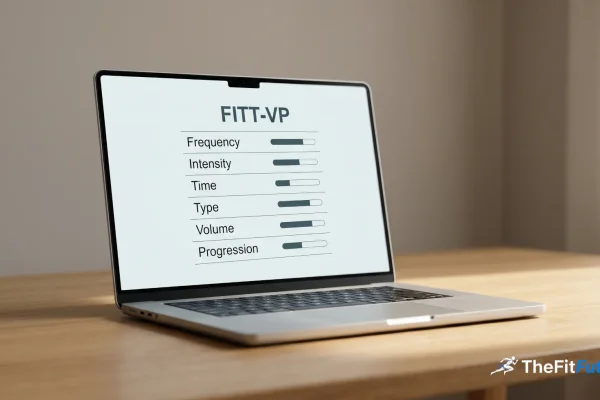
FITT-VP Study: Which AI Writes the Better Training Plan?
This is not about which AI model writes the best training plans — all four LLMs in the study are outdated by now. The interesting part is the method: a new study systematically rates AI training plans against FITT-VP, an established framework from sports medicine.
Updated · by Christopher Klenk
News
AI Chatbots in Fitness — New Study: Trust Follows Relevance
A new study shows: AI chatbots are being used in fitness — but trust only forms when they're relevant to your training. What this means for athletes.
Updated · by Christopher Klenk
News
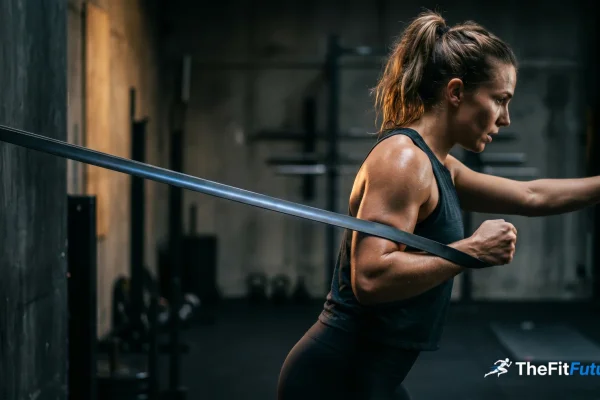
VBT Sensor in Resistance Bands: What the 2026 Study Shows
Chinese researchers built a resistance band with a fiber velocimeter inside — real-time VBT feedback for a training tool that has barely had a measurement layer. What the 2026 study shows, and what it would mean for strength training and rehab.
Updated · by Christopher Klenk
News
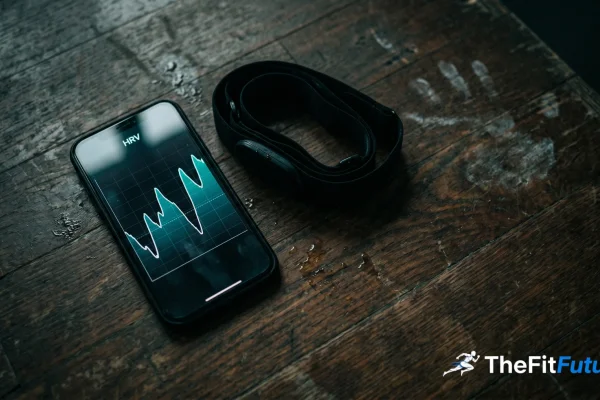
DFA α1 Also Tracks Recovery? What a New Study Shows
A new study in the European Journal of Applied Physiology confirms DFA α1 as an intensity-sensitive biomarker across all training zones — and reveals a surprising recovery signal that RMSSD simply can't provide.
Updated · by Christopher Klenk
News
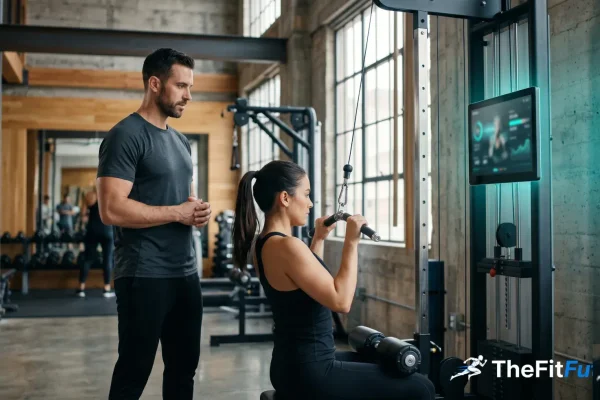
AI in the Gym: Can It Really Replace the Personal Trainer? Where We Are in 2026
Hotworx, NYSC, Vasa, Life Time, Planet Fitness: AI coaches are landing in US gyms in 2026. A practitioner's read from 17 years of training people — what the technology can do, where it structurally fails, and why the question isn't "AI or trainer" but "who does which part."
Updated · by Christopher Klenk