
News
Fresh studies, training methods and fitness tech — distilled for athletes who want to know what actually works.
News
Steering deadlift intensity without a 1RM test – new study shows how accurate it gets
A load-velocity profile built from a few submaximal sets can estimate high training intensities in the deadlift with an error of roughly 4 %. That is what a recent study in the Journal of Sports Science and Medicine (Li et al., 2026) shows. For intensities around 80–90 % of 1RM the accuracy is acceptable – without you ever having to push a maximum rep.
· by Christopher Klenk
News
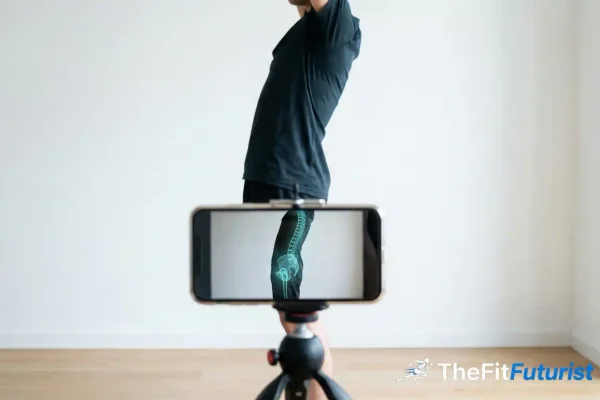
Spotting back pain type from video – what specialists used to do, AI now does in seconds
Classifying movement patterns in back pain – that's what specialist physiotherapists have done for years. Through observation, testing, assessment. It takes time, costs money, and two specialists don't always reach the same conclusion. The BackTracker study (Liu et al., 2026) now shows: a neural network, trained on one expert's classifications, does the same job from a simple video […]
· by Christopher Klenk
News
Velocity-Based Training beats tempo training — but not the way you think
Velocity-based training (VBT) — steering your sets by barbell velocity instead of fixed tempo cues — delivers more training volume on the bench press than tempo training. And without cutting time under tension. That is what a recent study in Sports Health (Fitas et al., 2026) shows, co-authored by Brad Schoenfeld — […]
· by Christopher Klenk
News
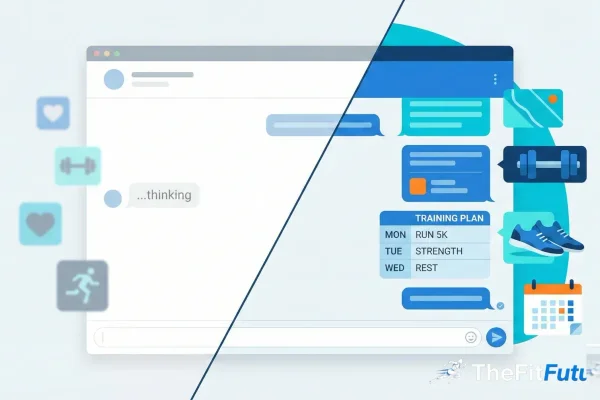
Study confirms: detailed prompts make ChatGPT training plans better – but not perfect
If you want to coax a training plan out of ChatGPT, you face a basic question: how much information do you need to put in to get something usable out? A new study from sports science now delivers hard numbers – and in doing so confirms a problem many users underestimate.
Updated · by Christopher Klenk
News
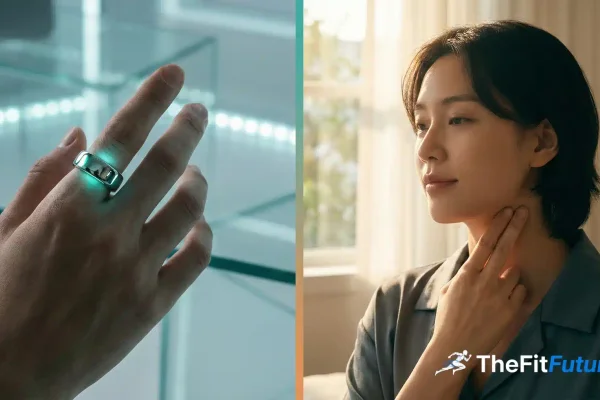
FDA eases its wellness guidance for wearables: Oura's role and how accurate the sensors are
On 6 January 2026 the FDA revised its non-binding guidance for wellness products. Wearables may now estimate values like blood pressure with a light sensor, as long as the values are validated and no diagnosis is promised. Oura lobbied for it. My reading: the industry benefits more than consumers, and the measurement technology has limits.
Updated · by Christopher Klenk
News
Apple scales back its AI health coach — and that is instructive
Apple has scaled back its internal project "Mulberry" for an AI-based health coach over recent weeks. The service — internally nicknamed "Health+" by some Apple employees — will not ship as a standalone product. Instead, individual features are set to roll into the existing Health app step by step. That is according to Bloomberg journalist Mark Gurman. The news sounds like a footnote in Apple's product strategy. […]
Updated · by Christopher Klenk
News
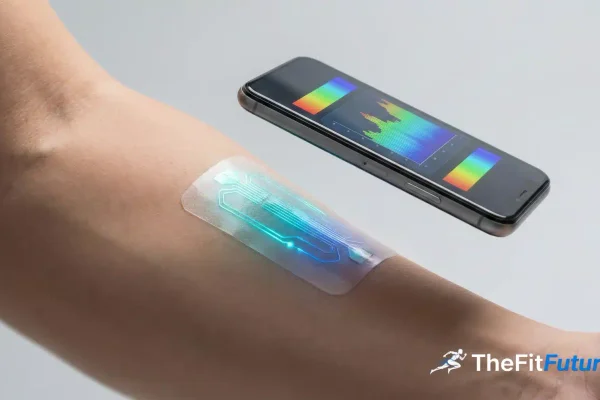
Sweat patch measures inflammation marker – what it could mean for recovery
A patch that detects inflammation in sweat. Current fitness wearables measure heart rate, HRV and blood oxygen. What they do not measure: whether your body is currently running an inflammatory response. Researchers at Shenzhen University have now presented a patch that can do exactly that – at least in the lab. The so-called WSSP (Wearable Sweat Sensing Patch) measures C-reactive protein (CRP) directly in […]
· by Christopher Klenk
News
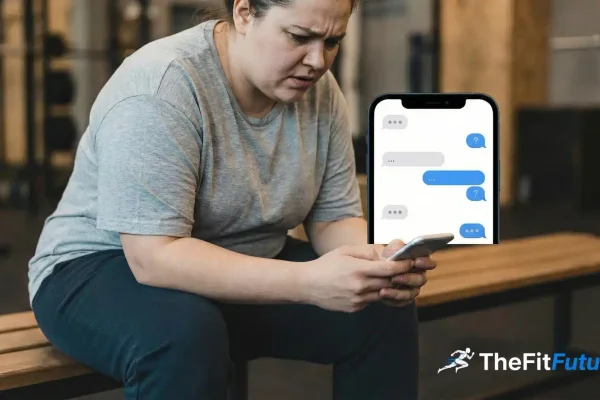
ChatGPT fitness app fails usability test in physical activity pilot study
A pilot study, a chatbot and 51 out of 100 points. Norwegian researchers developed FysBot – a mobile app with a GPT-4-based chatbot designed to motivate adults with obesity to become more active. The pilot ran for six weeks at a rehabilitation clinic in Tromsø with 36 participants. The result is both sobering and instructive. The System Usability Scale […]
Updated · by Christopher Klenk